Keep a blood pressure log
Record readings from your monitor, follow your history and share a report with your doctor.
Free. No ads. No account to start.

Also runs in your browser.Open the web app
Keep a record you can look back on
See the record you have built
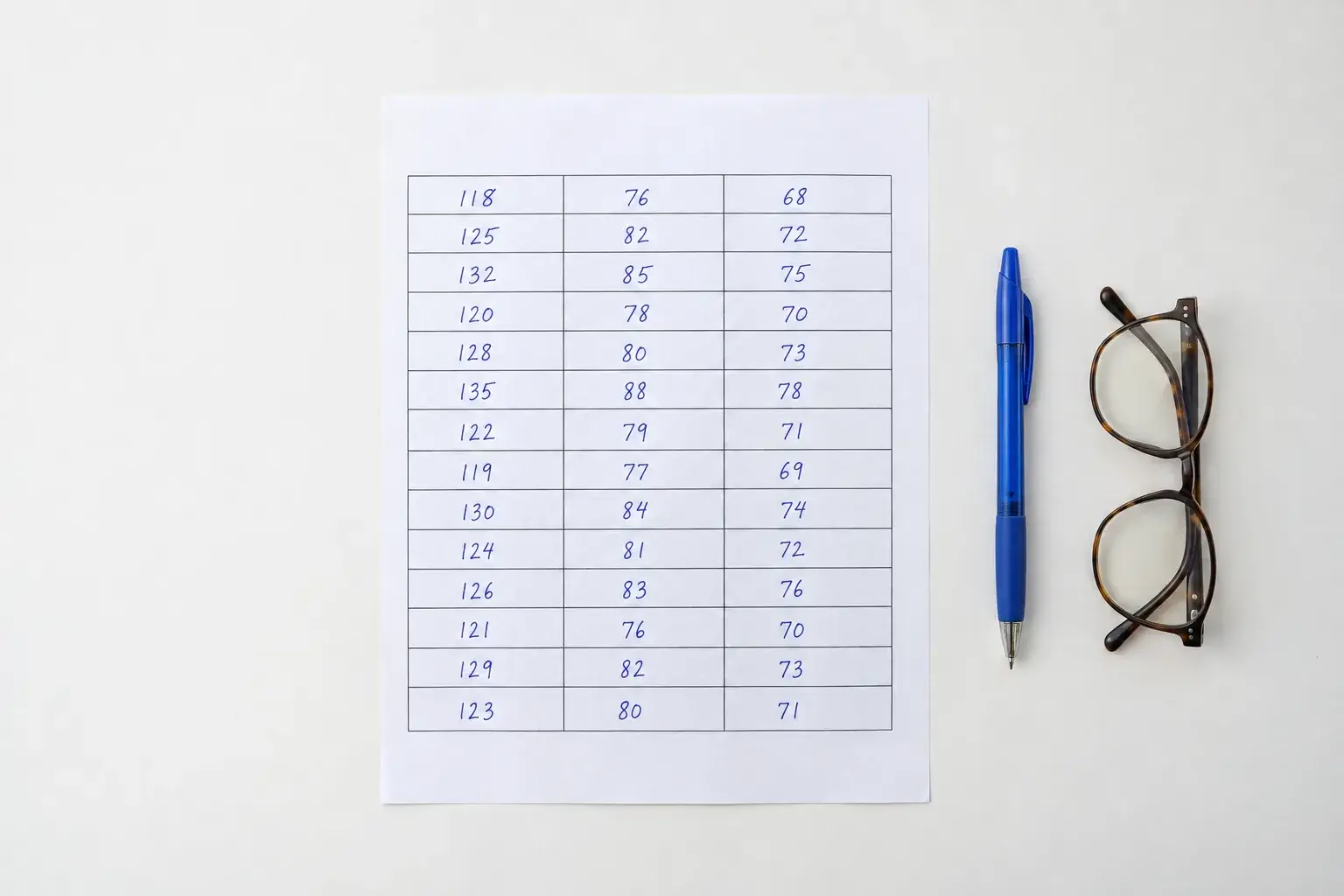
After two weeks, your readings, times and notes are together in one record. Choose the dates for your visit and share a report that keeps cuff readings, manual entries and camera estimates clear.
Use the monitor you already have
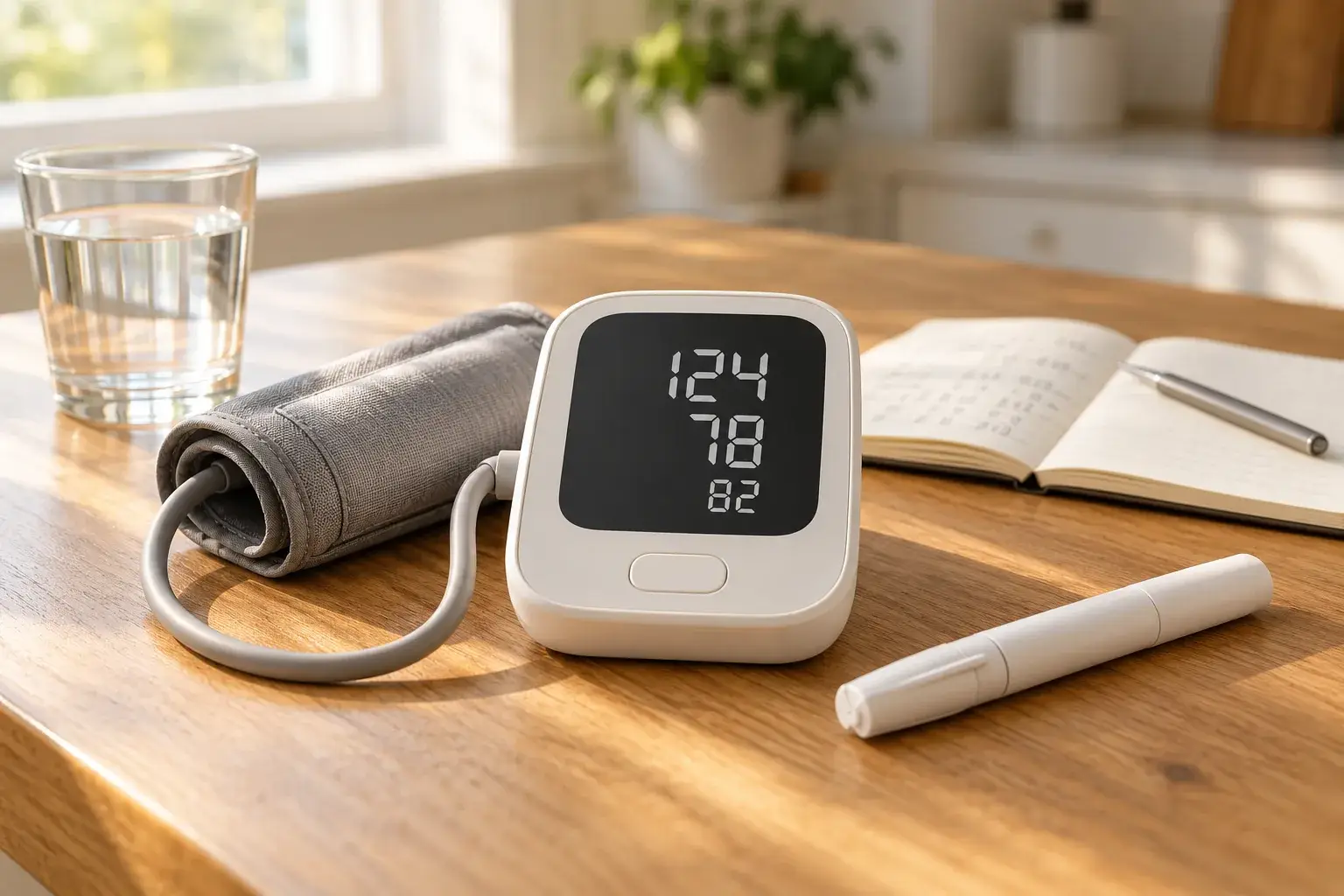
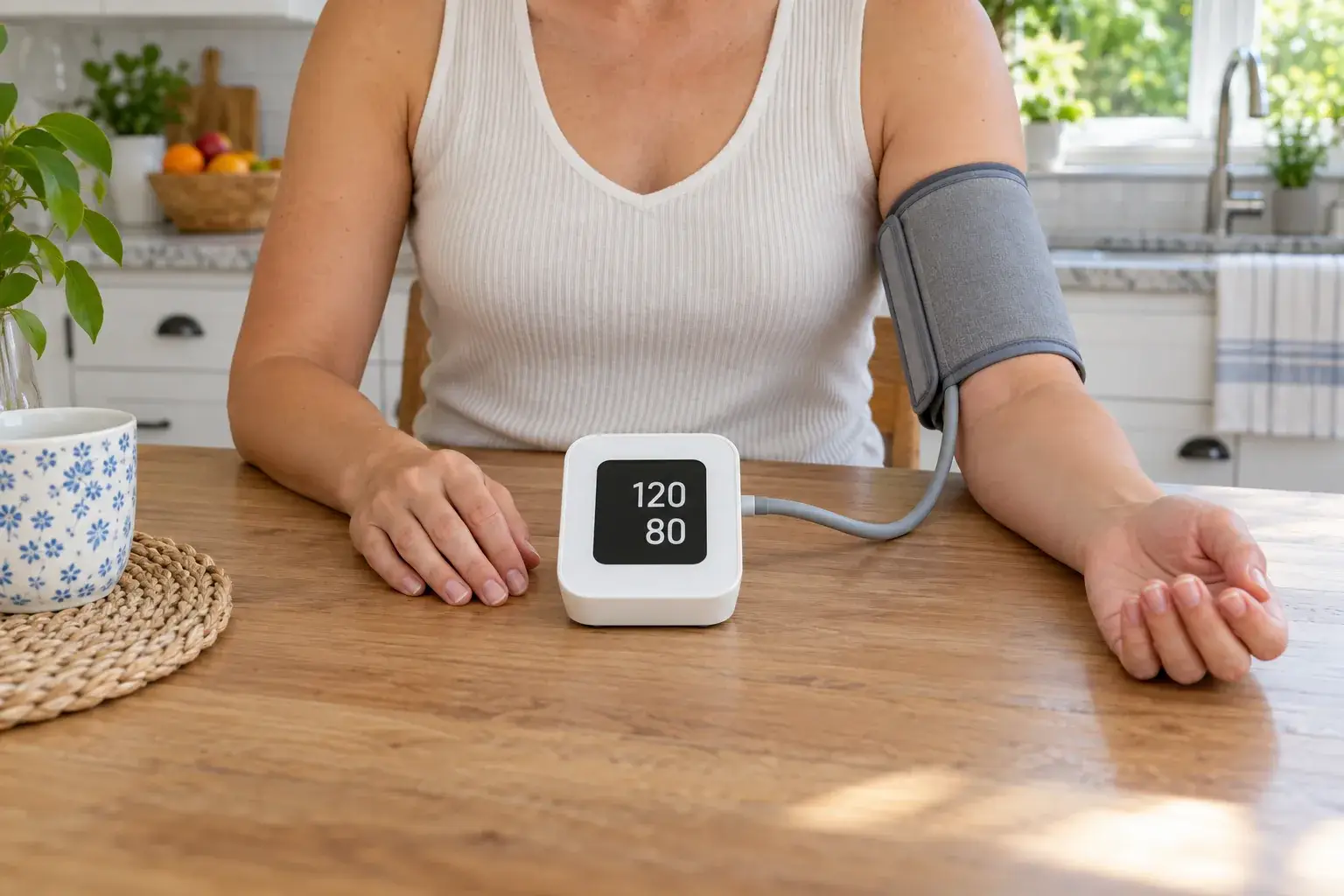
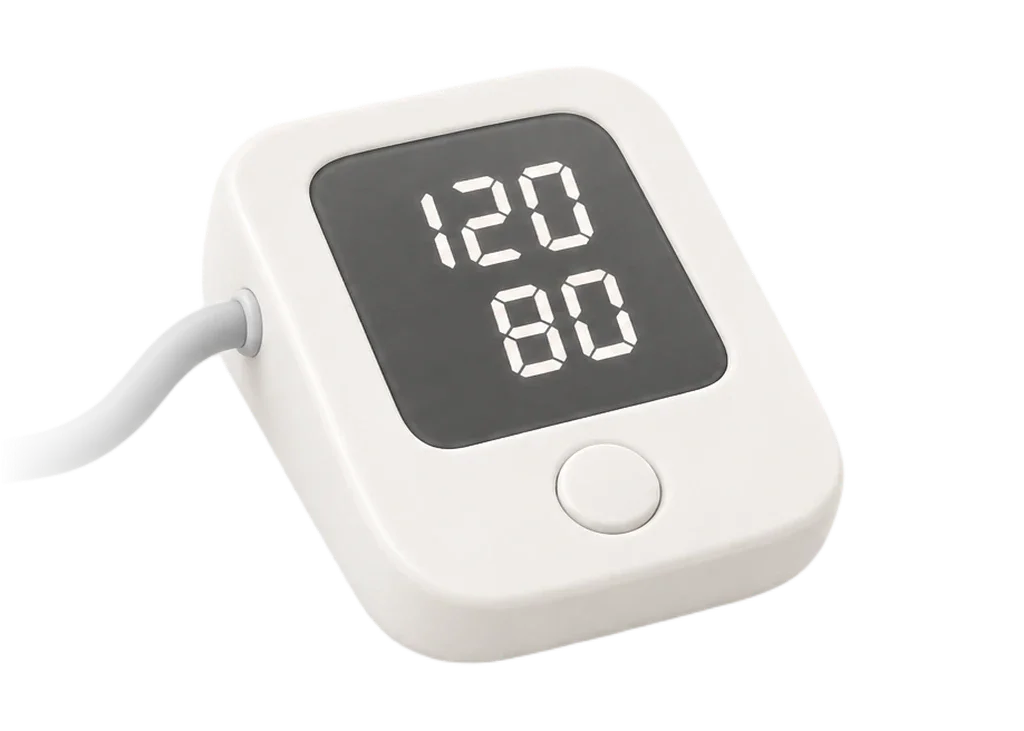
Photograph its display or enter the numbers yourself. The diary, charts, reminders, sync and reports for dates you choose are free, with no ads. The camera estimate is optional.
Before you start
Does my monitor need to connect to the app?
No. Photograph its display and check the numbers, or enter a reading yourself. BP Diary does not connect to your monitor by Bluetooth.
Can I bring in readings from another app?
You can import a diary exported by BP Diary as CSV or JSON. Imports from Apple Health or a monitor manufacturer's app are not supported. You can enter earlier readings manually and set their date and time.
What does the camera do?
A face scan gives a blood pressure estimate. It does not replace your cuff. Calibration uses a cuff reading before and after a camera scan to personalize those estimates. Check important estimates with your cuff. You do not need to use the camera to keep a diary.
What does it cost?
Recording, calibration, history, charts and reports are free, with no ads. Reminders on your phone and sync between your devices are free too.
Where does my data live?
Your diary is stored on this device. If you sign in, your readings and profile also sync through your account. You can export readings or delete your data in Settings. The Privacy Policy explains face-scan processing.
Does it work offline?
Your saved diary, charts and reports work offline. If you are signed in, changes sync between your devices when you are online again.
Which thresholds does it use?
Choose ESC 2024 home ranges or AHA/ACC 2025 categories in Settings. The choice changes category names and colors, not your readings. Your region suggests the starting reference. A category is not a diagnosis or your personal treatment target.
Will it run on my phone?
The Android app is available now. The iPhone app is coming soon. The diary also opens in your browser on a phone, tablet or computer. Sign in with the same account to see the same diary on each device.
Free blood pressure tools
Check one reading, calculate an average, print a blank log or estimate mean arterial pressure.
Questions about your readings